HVAC Contractor Experience for Year-Round Indoor Climate
The proficiency of an HVAC contractor is important for ensuring excellent home climate control throughout the year. Their understanding confirms that systems are placed, maintained, and mended effectively, maximizing performance and efficiency. Recognizing specific requirements helps contractors to predict issues before they intensify. However, picking the right contractor can be daunting. What should homeowners examine to make sure they make the best choice for their comfort needs?
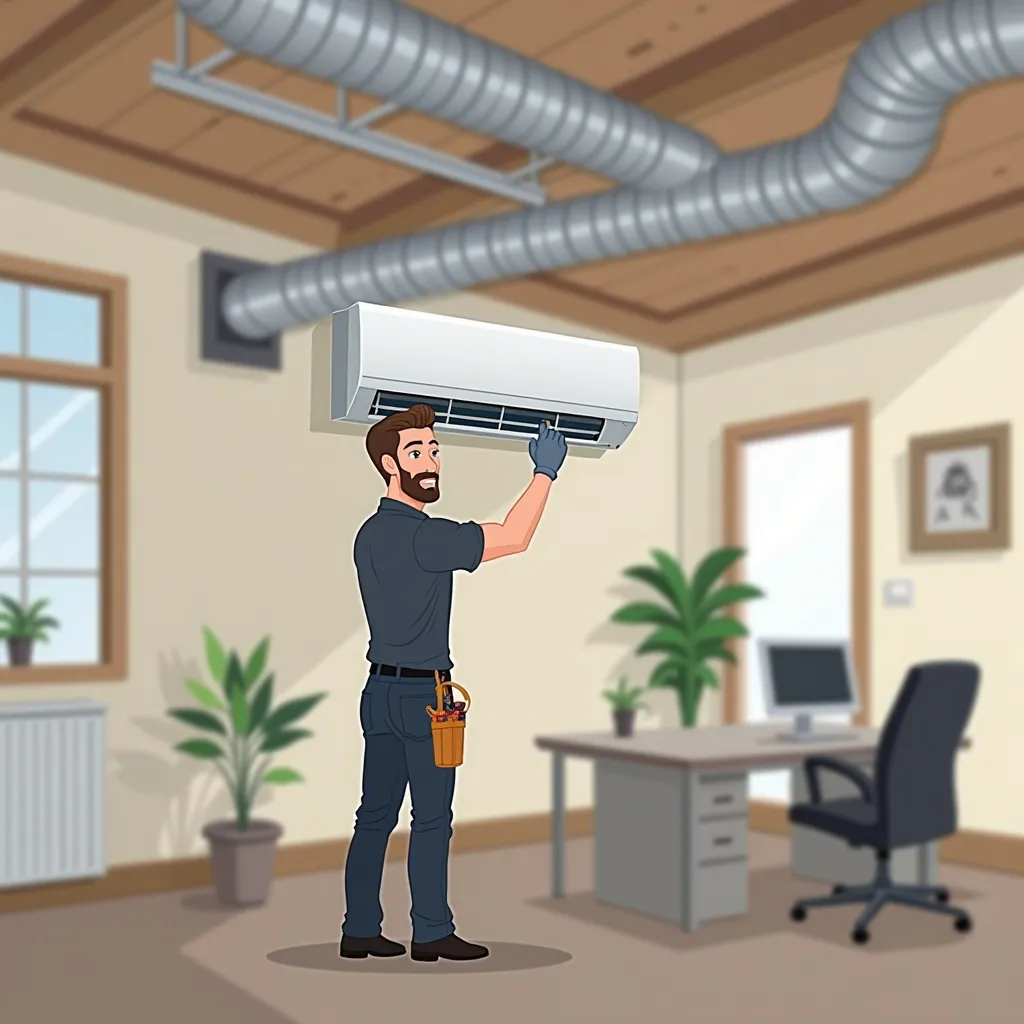
Why Your HVAC System Proves Vital for Home Comfort
The HVAC system serves as the backbone of home comfort, influencing temperature, air quality, and overall living conditions. Its main purposes comprise heating, ventilation, and air conditioning, which together create a balanced indoor environment. A well-functioning HVAC system ensures consistent temperatures throughout the home, avoiding extreme fluctuations that can impact comfort. Proper ventilation is essential for maintaining air quality, decreasing the presence of allergens, pollutants, and excess humidity.
Moreover, an efficient HVAC system can provide energy savings, reducing utility bills while improving comfort. Regular maintenance and prompt upgrades can optimize performance, making sure that the system operates at maximum effectiveness. Homeowners who focus on their HVAC systems often experience fewer disruptions and a superior living environment. Ultimately, the significance of the HVAC system extends beyond mere temperature control, playing an critical role in health, comfort, and overall quality of life.
Vital climate control Solutions for Home Owners
Property owners must understand the significance of essential HVAC maintenance to preserve system performance and convenience. Regular upkeep plays a vital role in extending equipment longevity and guaranteeing peak operation. Furthermore, energy efficiency upgrades can result in substantial financial benefits and a reduced environmental footprint.
Preventive Upkeep: A Key Concern
Many people may ignore the significance of preventive maintenance, yet it is crucial for the life and efficiency of HVAC systems. Routine maintenance helps in identifying possible issues before they develop into costly repairs, allowing smooth year-round operation. Responsibilities such key resource as filter replacement, system inspections, and refrigerant checks may enhance performance and lower energy consumption. Homeowners enjoy improved indoor air quality and consistent temperature control, creating a comfortable living environment. Additionally, routine maintenance often prolongs the lifespan of the equipment, ultimately saving homeowners money in the long term. By investing in preventive maintenance, individuals can enjoy peace of mind, knowing their HVAC systems are functioning at peak efficiency and consistently throughout the changing seasons.
Energy Savings Modifications
Energy efficiency improvements offer homeowners substantial benefits, improving both comfort and cost savings. By installing modern HVAC systems, such as high-efficiency furnaces or energy-efficient air conditioners, households can reduce energy consumption and reduce utility bills. Additionally, improving insulation and sealing ductwork can avoid energy loss, ensuring that conditioned air remains within the home. HVAC contractors often suggest smart thermostats, which optimize temperature settings based on occupancy patterns, further contributing to energy savings. These upgrades not only benefit the environment by reducing carbon footprints but also increase property value. Homeowners who prioritize energy efficiency can experience a more sustainable lifestyle while experiencing improved indoor air quality and overall comfort throughout the year.
Finding the Perfect air conditioning Professional?
How does one be certain they select the most qualified HVAC contractor for their needs? Due diligence is necessary; potential clients should start by obtaining recommendations from friends and family. Online reviews can shed light into contractors' reputations. It is essential to confirm licenses and certifications to ensure compliance with local regulations. Obtaining multiple quotes allows for comparisons of pricing and services offered, but the lowest bid should not be the sole deciding factor.
Additionally, evaluating a contractor's experience with particular HVAC systems can be beneficial. Asking about warranties and post-installation support also helps assess reliability. A reputable contractor will perform a thorough evaluation of the home before making recommendations. Ultimately, open communication and trust are essential; selecting someone who responds to and listens to concerns can result in a fruitful partnership. By implementing these steps, homeowners can assuredly select a skilled HVAC contractor tailored to their specific requirements.
Energy Saving Tips for HVAC Systems
Performance in HVAC systems is vital for both reducing expenses and environmental impact. Regular maintenance plays an important role in ensuring maximum efficiency, while smart temperature controls can enhance energy reduction by allowing for customized temperature settings. Understanding these factors can lead to improved efficiency and comfort in any space.
Periodic Care Relevance
While many residents may overlook the significance of regular HVAC upkeep, it has a crucial role in improving energy efficiency. Routine checks and maintenance help detect potential issues before they worsen, making sure the system runs at maximum performance. Regular cleaning of filters can markedly enhance airflow, enabling the HVAC system to operate more efficiently. Moreover, monitoring refrigerant amounts and examining ductwork for leaks prevents energy loss, which helps to lower utility costs. Consistent upkeep extends equipment life while maintaining indoor air quality. Prioritizing HVAC care allows homeowners to attain comfort and decrease energy consumption, in the end aiding both their budgets and the planet.
Programmable Thermostat Features
By improving comfort and efficiency, programmable thermostats offer homeowners a smart solution for managing their HVAC systems. These devices allow users to set specific temperature schedules, guaranteeing that heating and cooling occur when needed, which decreases energy consumption. By automatically adjusting temperatures during off-peak hours, programmable thermostats can significantly lower utility bills. In addition, many models offer remote access through smartphone applications, enabling homeowners to monitor and modify settings from anywhere. This flexibility not only improves convenience but also enables users to take control of their energy usage. Ultimately, integrating a programmable thermostat into an HVAC system can lead to enhanced energy efficiency, increased comfort, and a reduced environmental footprint, making it a worthwhile investment for any home.
Seasonal Service Techniques From HVAC Technicians
Many homeowners overlook the necessity of routine servicing for their HVAC systems, yet industry leaders point out that regular upkeep is critical for excellent operation and longevity. HVAC professionals recommend biannual check-ups—once in spring and once in fall—to prepare systems for temperature extremes.
Spring upkeep has technicians frequently clean coils, assess refrigerant levels, and review electrical connections, ensuring air conditioning units function efficiently. In the fall, the focus shifts to heating systems; filters are replaced, and furnace components are examined to prevent breakdowns during winter.
Furthermore, professionals highlight the significance of removing debris around external components and guaranteeing adequate air circulation. Regularly scheduled maintenance not only improves performance but also prolongs the lifespan of HVAC systems, eventually reducing costs for homeowners money on energy bills and repairs. By focusing on these seasonal strategies, homeowners can enjoy comfortable indoor climates year-round.
What heating, ventilation, and air conditioning Difficulties Do Contractors Service?
Seasonal maintenance not only boosts HVAC system output but also helps identify potential issues before they worsen. HVAC contractors regularly address a variety of problems, ensuring optimal system performance. One common issue is refrigerant leaks, which can lead to poor cooling and elevated energy costs. Contractors also regularly tackle electrical problems, such as malfunctioning thermostats or faulty wiring, which can interrupt heating and cooling cycles.
Another common problem involves air duct issues, including blockages or ruptures that hinder optimal airflow. Contractors may also fix condensate drain blockages, which can cause water damage and mold growth. Additionally, they address mechanical breakdowns in parts like compressors or blowers, vital for system operation. Routine checks and timely repairs by HVAC professionals not only prolong the lifespan of the systems but also enhance energy efficiency, ultimately resulting in cost reductions for homeowners.
Frequently Asked Questions
How Can I Figure Out When to Upgrade My HVAC System?
Signs indicating the need for HVAC system upgrade contain frequent breakdowns, increasing utility costs, inconsistent temperatures, and systems over a decade old. Routine inspections can help determine performance and lifespan, steering the upgrade choice.
How Can You Spot the Indicators of an Malfunctioning HVAC System?
An inefficient HVAC system's symptoms feature temperature inconsistencies, substantial energy bills, unusual noises, poor airflow, and frequent cycling. These clues reveal potential issues that may call for professional assessment or replacing your system for peak performance.
Can HVAC Systems Improve Indoor Air Quality?
HVAC systems can markedly enhance indoor air quality by removing harmful particles, controlling humidity, and ensuring proper ventilation. Regular maintenance and upgrades enhance their effectiveness, promoting a more comfortable home environment for people living inside across all seasons.
What Role Does Weather Play in HVAC Performance?
Weather greatly impacts HVAC performance; intense heat and cold can strain systems, reducing efficiency. Humidity levels affect humidity regulation, while weather shifts require modifications to configurations. Regular maintenance helps mitigate these impacts, guaranteeing peak functionality throughout the year.
What Protection Plans Are Available for HVAC Systems?
HVAC systems typically include manufacturer warranties protecting parts for five to ten years. Some contractors provide extended protection agreements, which may incorporate labor and maintenance, delivering additional protection for system reliability and longevity.
Comments on “Certified La Mesa Top HVAC Contractor for Efficient Climate Control”